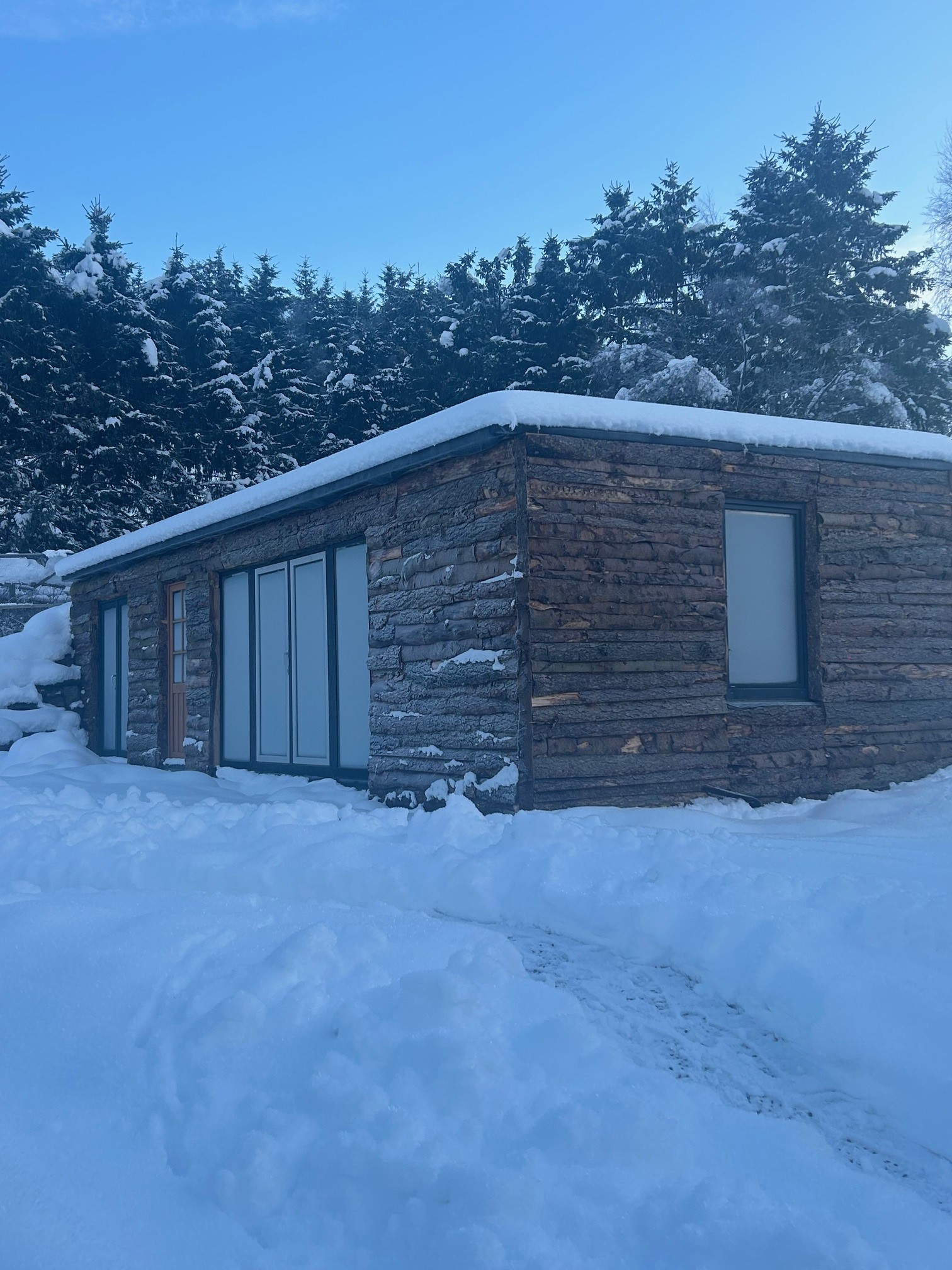
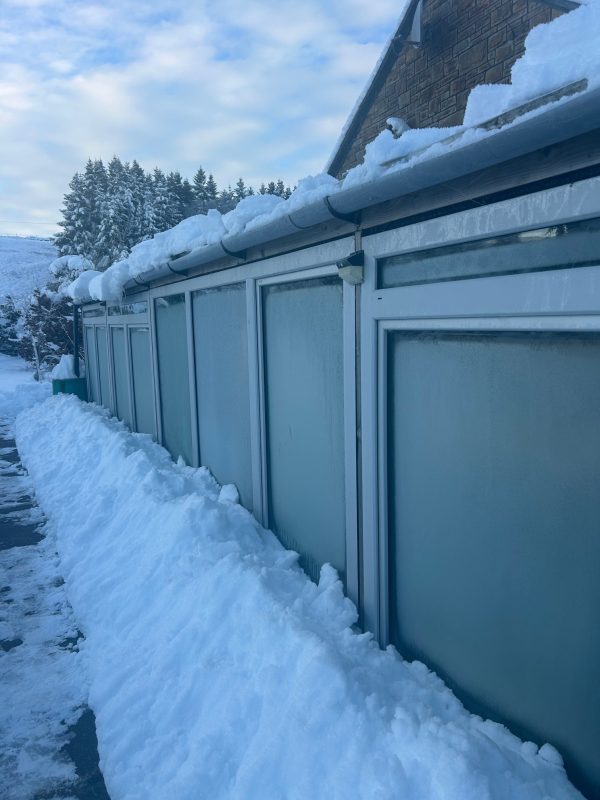
If you’ve woken up to find a thin layer of frost or mist on the outside of your triple-glazed windows, you might wonder whether something is wrong with the glazing. The good news? It’s actually evidence that your windows are performing exactly as they should.
External condensation or frost is common on high-performance, triple-glazed Internorm windows, especially during cold, clear nights. This blog explains why it happens, what it means for your home or building, and why it disappears as soon as conditions change.
Why Frost Forms on the Outside Pane
External frost occurs due to a combination of environmental and performance-related factors:
1. Very Low Heat Transfer Through the Glass
Internorm triple glazing has extremely low U-values of below 0.8 W/(m2K). This means almost no heat escapes from indoors to the outer pane.
Result: The external surface stays cold enough for moisture to condense – and in winter, freeze.
2. Cold, Clear Night Conditions
During cloudless nights, the outer pane loses heat to the sky through radiative cooling. Because so little heat passes from inside, the outer glass can reach temperatures below the dew point.
3. High Outdoor Humidity
When cold, humid air touches the cold outer surface, moisture condenses and may turn to frost.
Why This Is a Positive Sign for Energy Efficiency
Seeing frost on the outside pane means:
- Your triple glazing is retaining heat exceptionally well
- Heat loss through the glass is minimal
- Thermal insulation is performing to a very high standard
- Indoor comfort is maximised
- Energy use for heating is greatly reduced
If the outer pane was warmer, you’d be losing valuable heat from inside your home or building.
When Does the Frost Disappear?
External frost is temporary and typically melts away when:
- The sun rises and warms the glass
- Outdoor temperatures rise
- Wind increases and dries the surface
- Cloud cover reduces radiative heat loss
In most cases, it will evaporate within a few hours after sunrise.
Why Can It Occur With Internorm Windows?
Internorm’s premium triple-glazed window and door systems in timber-aluminiuim and uPVC-aluminium, are engineered for maximum thermal performance.
They feature:
- Triple glazing with very low U-values below 0.8 W/(m2K) to Passivhaus requirements
- Highly insulated frame systems
- Thermally broken profiles
- Airtight construction
- Triple gaskets and integrated I-tec insulation
These elements significantly reduce heat loss, meaning the outer pane stays cold enough for frost to form under the right conditions.
In short: Frost outside = warm, efficient comfort inside.
Conclusion
Seeing frost or mist on the outside of your Internorm triple-glazed windows or lift & slide doors can feel surprising – but it’s simply a visual indicator of excellent thermal performance.
Your Internorm windows are working exactly as designed: keeping warmth inside your home, improving energy efficiency, and ensuring outstanding comfort even in the coldest weather.
Want to learn more about high-performance Internorm glazing and how it improves comfort and efficiency? Visit your local Internorm Partner – you can find them on our homepage.